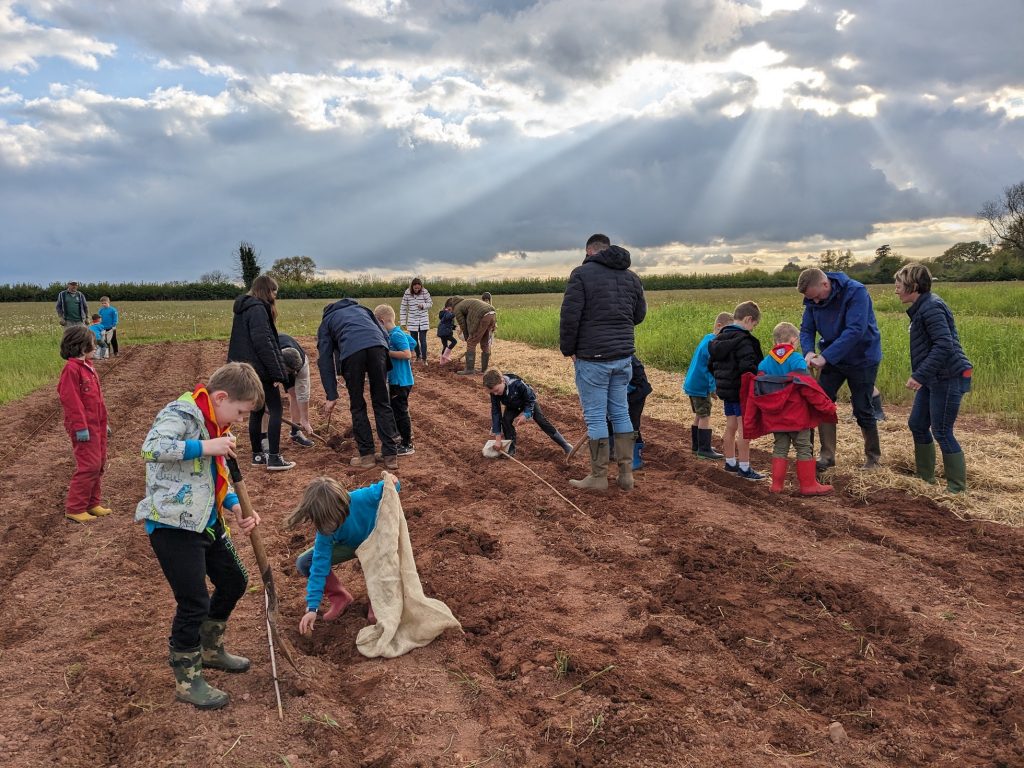
Education is a key part of Wellington Community Food. Since we started, we have worked with local schools and community groups to host hundreds of children to visit the farm.
They can learn about a whole range of topics including food and farming, biodiversity, the local environment, seed dispersal and much more. It is a chance for them to get outside, run through a field, get muddy hands, dig up a carrot (or potato), and have fun.
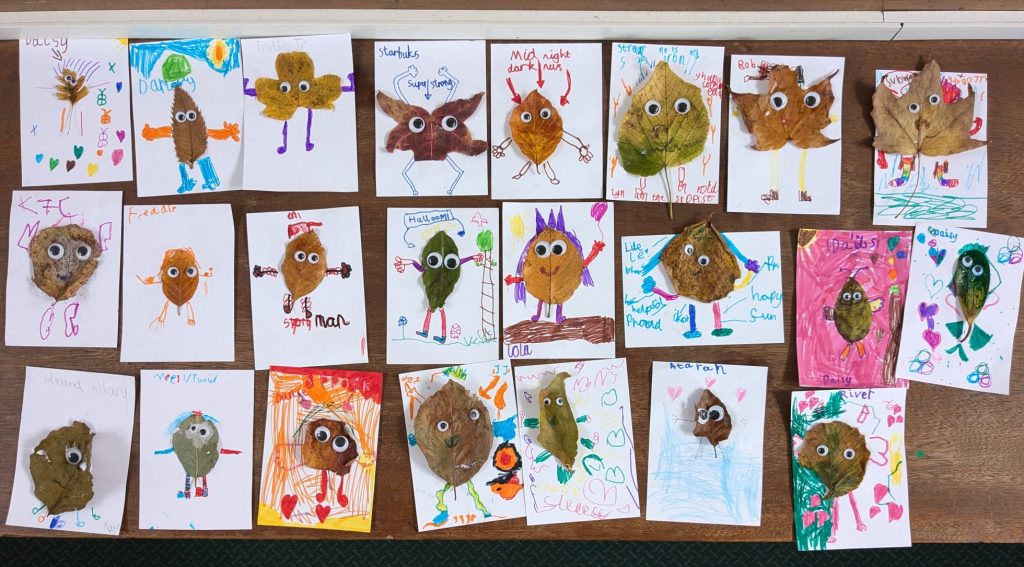
What We Offer
School visits last approximately 2 hours on either Tuesday, Thursday or Friday. Schools can access this programme for free; you just need to get here.
Each session is for a maximum of 30 children or 1 class. All visits are led by experienced educators, farm growers and ecologists who aim to inspire the next generation through a series of hands-on activities, talks and workshops.
Community groups are also able to visit the farm at evenings or weekends, please email us to discuss timing and activities available.
To discuss a visit please email info@wellingtoncommunityfood.org.uk
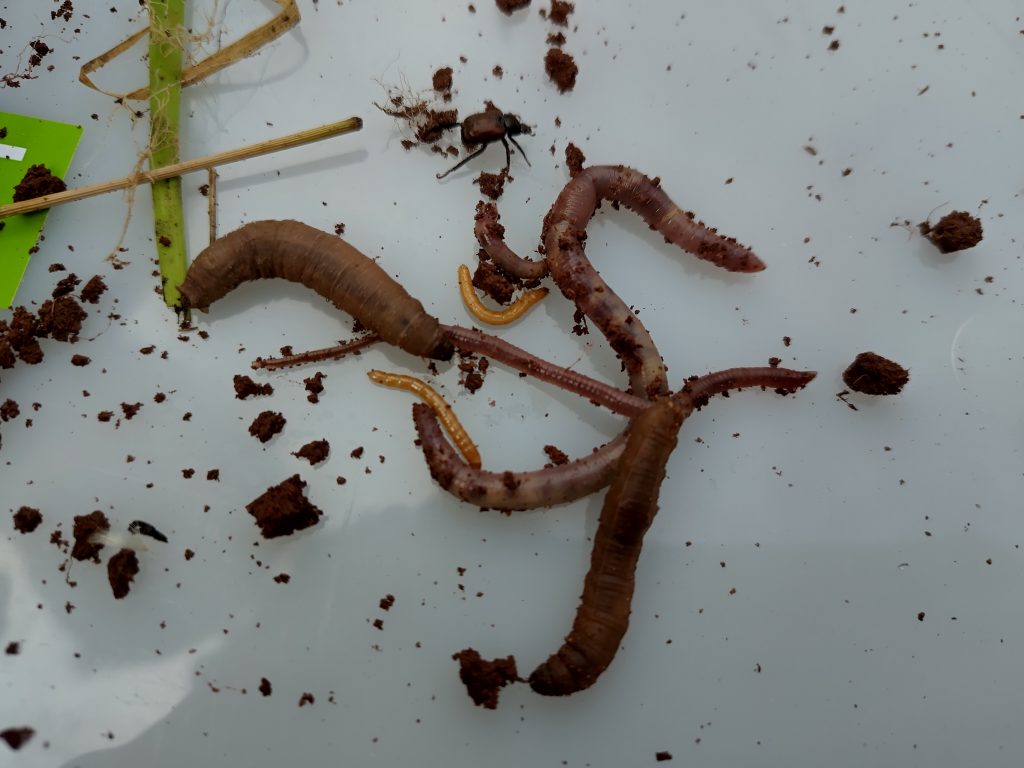
A variety of activities are on offer tailored to the age of the children and linked to the national curriculum.
EYFS and KS1
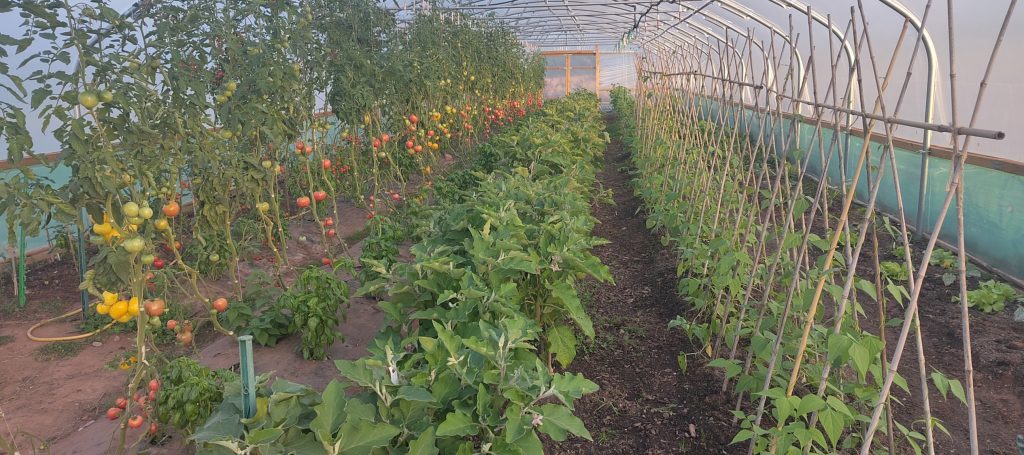
Food and farming – tour of the vegetable beds and polytunnel looking at the variety of produce grown and a chance to taste some different herbs and vegetables depending on season. Dig and harvest vegetables ready to taste (e.g. carrots, cucumber)
Maze – come and try our summer grass maze, pretend to be harvest mice and find all the food hidden in the maze.
On-site wildlife trail – field and hedgerow walk on site finding information about the local plants and animals we have here and what the farm is doing to help them. This activity can be adapted for KS2 as an orienteering challenge using a map to find the animal and plant markers.
KS2
Food and farming – tour of the vegetable beds and polytunnel looking at the variety of produce grown and a chance to taste some different herbs and vegetables depending on season. Dig and harvest vegetables ready to taste (e.g. carrots, cucumber) or take
away depending on season. Discussions on local food, transport and food miles, organic versus conventional (using pesticides and fertiliser) farming.
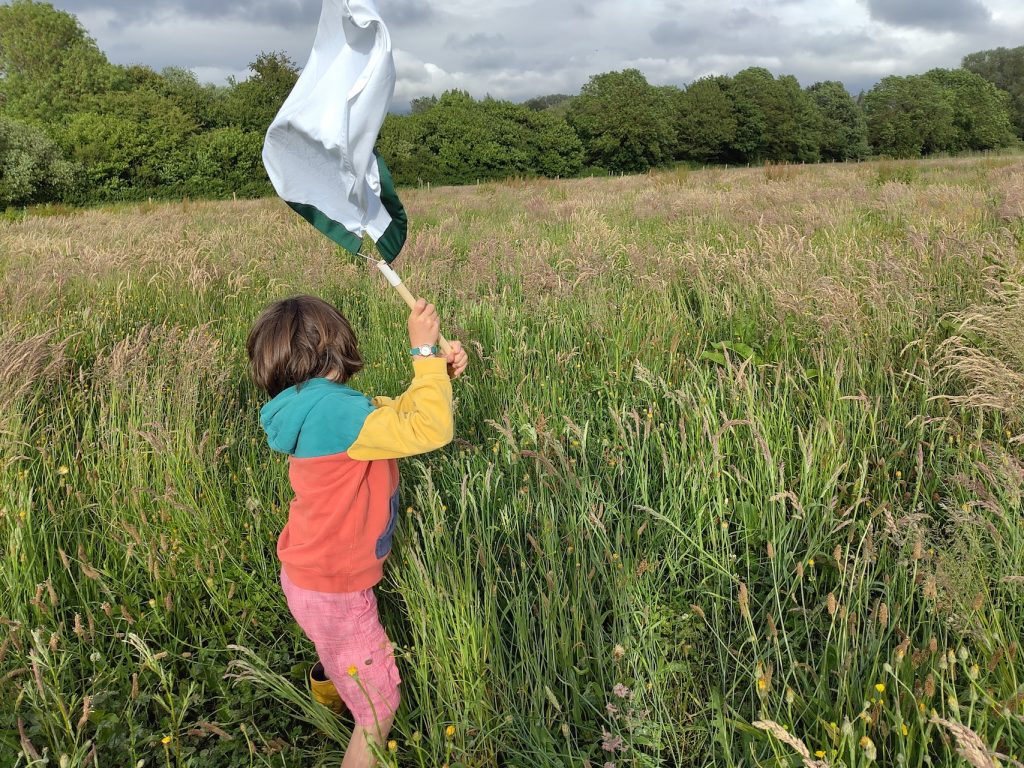
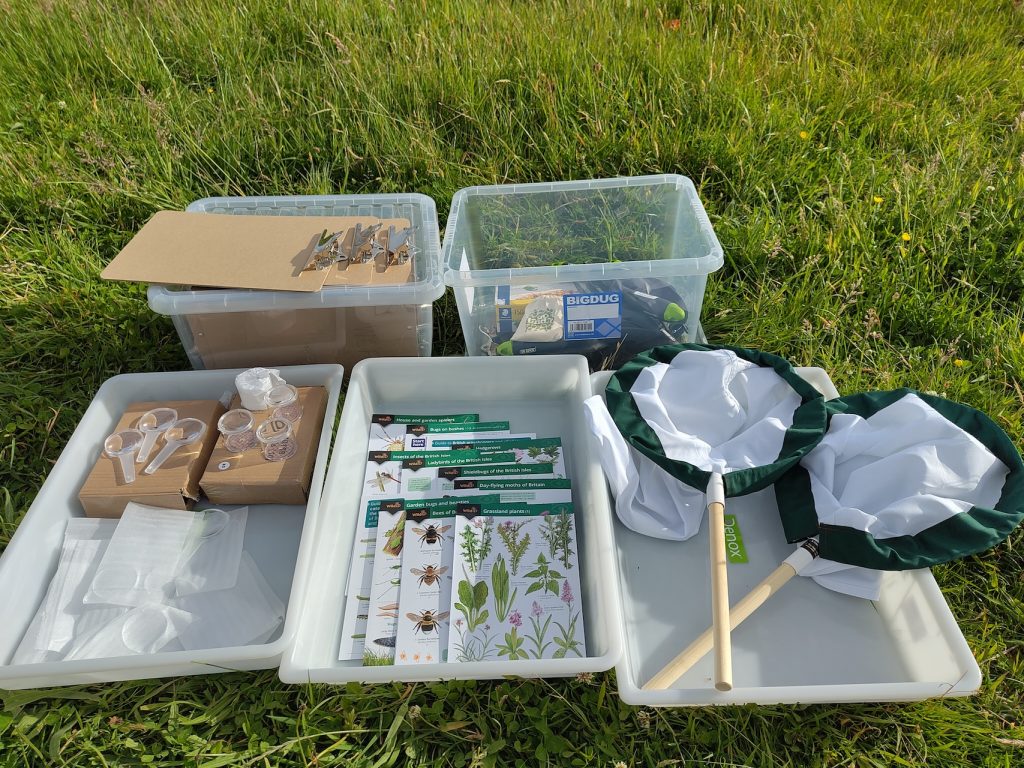
Bug hunting – our most popular activity! We use a large section of the field and children are able to explore for themselves the variety of plants and insects on the farm. Using sweep nets, magnifying glasses and bug pots children are able to collect some of the many insects and then identify them using a range of ID charts.
Plant ID – small groups can take a closer look at the hedgerows, grassland and vegetable patches and identify different plant characteristics and explore the different plants looking at leaf shape, colour, roots, flowers and location.
Food chains and food webs – games, hands-on activities and fun challenges introduce children to the concept of food chains and then more complex food webs. The plants and animals in the activity are all found on the farm or in the local area.
KS2 / KS3
Seed Dispersal Workshops – farm walk to identify plants in the fields and hedgerows linking the discussion to seeds including how and why they are dispersed in the environment followed by a comparison with the farmed area and what is grown.
Seed Identification Workshop – using a variety of seeds and introducing magnifying glasses and microscopes. Games and hand-on activities to consolidate learning.
Pollinators – an in depth discussion of pollinating insects and what they do followed by a bug hunting session where students spend time catching and identifying bugs in the field. We encourage them to look for specific identifying features and use standardised ID charts to name the insect.
Careers in Farming. Our team of growers and volunteers on site will spend time with the students discussing their role and background answering questions the students may have. We encourage follow up work, such as writing articles for our regular newsletter about this. Activities such as making a cropping plan, calculating veg box shares and assisting with the day’s activities are all part of experience for the job.
Mental health – awareness through a discussion of the benefits of time spent outdoors in nature.
Other activities can include scavenger hunts, storytime and farm themed games. We can also accommodate bigger projects according to season: planting, building a bug hotel and preparing new beds.
We would love to develop more activities and are always looking for exciting new ideas or tell us your curriculum objectives and aims and we can help!
Location
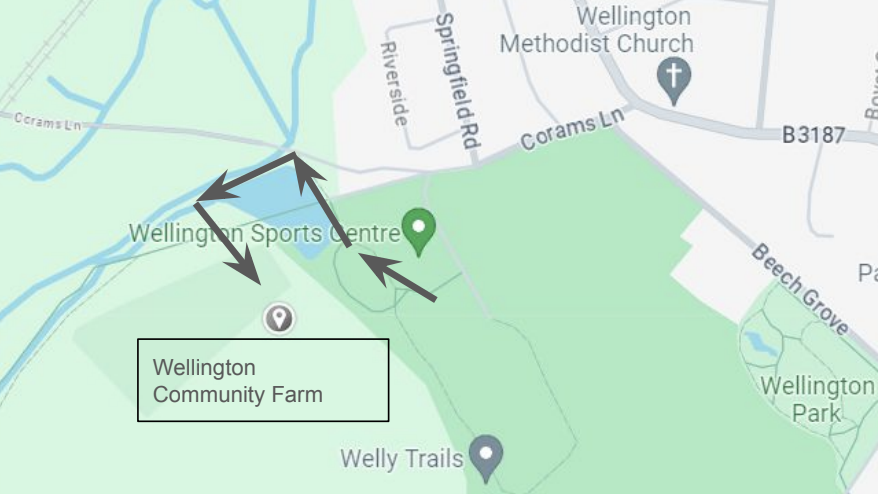
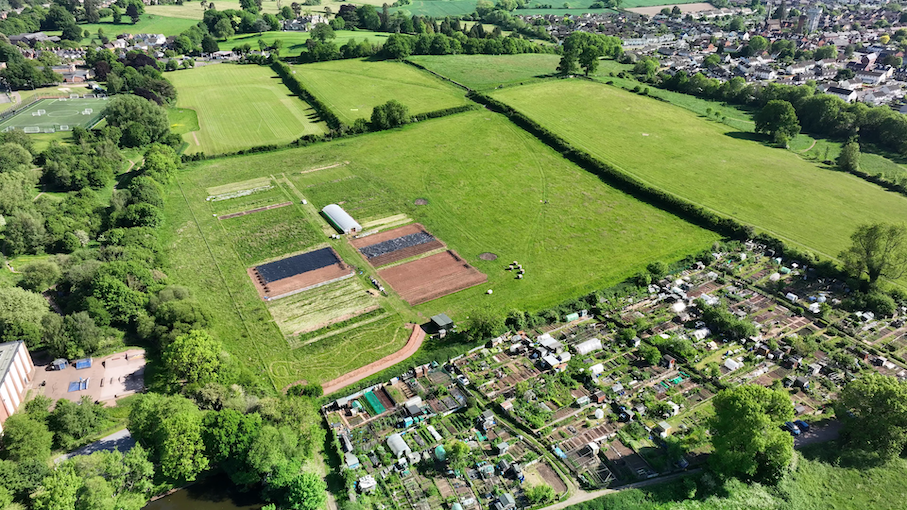
We are located adjacent to the Basins Allotments in Wellington.
What3Words: nerd.skis.outcasts